
Finding a Healthy, Well-Raised American Bully
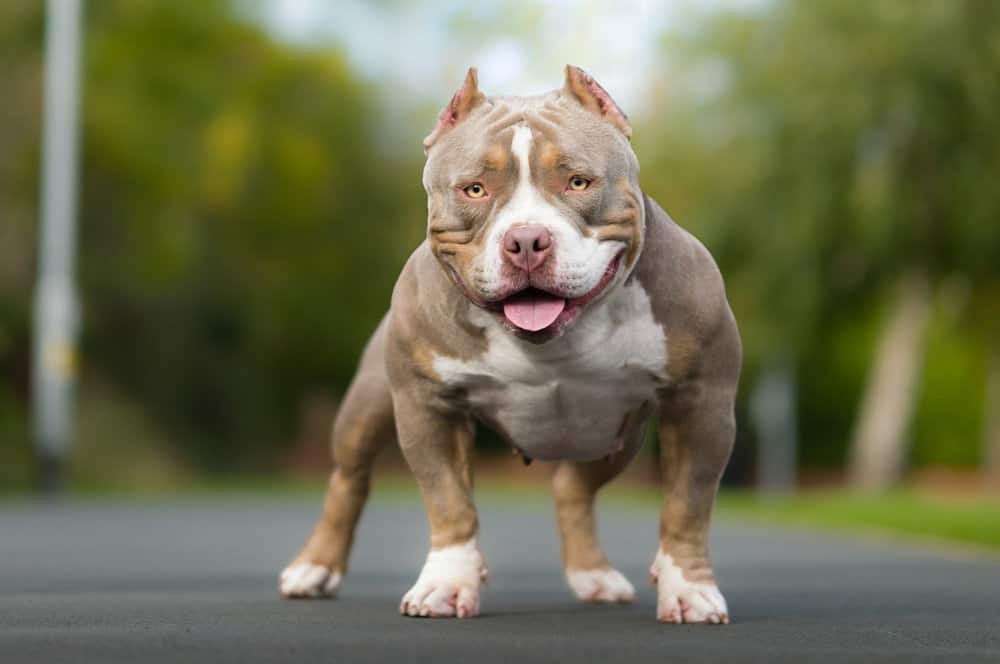
The American Bully is known for its muscular build, broad head, confident appearance, and affectionate personality. Among the different size varieties, the XL American Bully stands out for its larger frame and powerful presence. However, choosing the right puppy involves much more than appearance. Health, temperament, breeding practices, and the environment in which a puppy is raised all deserve careful consideration.
Prospective owners researching XL American Bully breeders should focus on finding a breeder who values the dog’s overall well-being. A responsible breeder understands that good breeding involves selecting suitable parent dogs, providing proper care, and helping puppies develop into healthy companions. Taking time to learn about these factors can help families make a confident and informed decision.
What Makes This Breed Special?
American Bullies are often appreciated for their loyal nature, affectionate behavior, and strong bonds with their families. Despite their muscular appearance, well-socialized individuals can be loving companions when given appropriate training, exercise, and attention. Their personalities still vary, so meeting the puppy and, when possible, its parents can provide valuable insight.
The XL variety generally has a larger body frame than the standard American Bully. Its impressive stature requires thoughtful ownership, including adequate space, consistent training, and a commitment to responsible handling. These dogs benefit from positive reinforcement, early socialization, and regular interaction with their families.
Potential owners should also understand that a dog’s size does not automatically determine its temperament. Individual personality, genetics, upbringing, and daily experiences all influence behavior.
Choosing a puppy based on health and temperament rather than size alone supports a better long-term match.
How to Evaluate a Responsible Breeder
When comparing XL Bully breeders, ask detailed questions about their breeding program, the health of their dogs, and the care provided to young puppies. A trustworthy breeder should be comfortable discussing the strengths and potential health concerns associated with the breed.
Request information about the parents’ veterinary history and relevant health screenings. American Bullies may be susceptible to orthopedic concerns, skin conditions, and certain breathing difficulties, particularly when physical features compromise normal function. Health evaluations can help identify risks, although no screening guarantees a completely healthy puppy.
Pay attention to the breeder’s environment, too. Puppies should have access to clean living spaces, appropriate nutrition, veterinary care, and opportunities for safe early socialization. Observe how the dogs interact with people and whether they appear comfortable and well cared for.
A responsible breeder will also ask questions about your lifestyle, experience with dogs, household, and plans for training. This demonstrates an interest in placing each puppy in a suitable home rather than simply completing a sale.
Health, Genetics, and Early Development
A puppy’s early care can influence its physical development and behavior. Before choosing a dog, ask for vaccination and deworming records, veterinary examination details, and documentation of any genetic or orthopedic testing performed on the parents.
Responsible breeding should prioritize functional structure, comfortable movement, and healthy breathing rather than exaggerated physical features. Extremely bulky bodies, excessively short muzzles, and other exaggerated traits can contribute to discomfort or health complications.
Nutrition is equally important during puppyhood. A balanced, age-appropriate diet supports steady growth, while excessive feeding can contribute to unnecessary weight gain and added stress on developing joints. Your veterinarian can recommend an appropriate feeding plan based on your puppy’s age, expected adult size, and condition.
Early experiences also matter. Gentle handling, exposure to everyday household sounds, and positive interactions with different people can help puppies become more adaptable. Continue this process after bringing your puppy home, introducing new experiences gradually and safely.
Preparing Your Home for an XL Puppy
Bringing home a large, energetic dog requires preparation. Start with a secure yard or suitable walking arrangements, comfortable bedding, sturdy food and water bowls, a properly fitted collar or harness, and durable toys designed for supervised use.
Establish household rules from the beginning. Teaching basic cues such as sit, stay, come, and leave it can make daily life safer and more manageable as your puppy grows. Reward-based training encourages learning while strengthening the bond between dog and owner.
Exercise should suit the puppy’s age and physical development. Avoid forcing strenuous activity on a growing dog, especially repetitive high-impact exercise that may place unnecessary stress on developing joints. Regular, moderate activity combined with mental enrichment can help maintain a healthy routine.
Budgeting is another essential step. Food, veterinary visits, preventive medications, training, grooming, and unexpected medical expenses can add up over a dog’s lifetime. Planning ahead helps ensure that your companion receives consistent care.
Making a Confident, Informed Choice
Choosing an American Bully is a long-term commitment that should begin with careful research. Look beyond photographs and advertisements to understand the breeder’s practices, the puppy’s health history, and the support available after adoption. Reputable breeders welcome reasonable questions and provide clear information about their dogs.
Blue Stone Kennels can be part of your research when exploring available puppies and learning more about breeding practices. Before making a decision, verify health documentation, ask about the puppy’s parents, and discuss any concerns directly with the breeder.
Remember that responsible ownership continues long after you bring your puppy home. Consistent training, preventive veterinary care, proper nutrition, and daily companionship all contribute to a rewarding relationship. By prioritizing these essentials, you can choose a dog whose needs and personality fit your household while supporting healthier breeding practices.
Frequently Asked Questions
What should I ask a breeder before buying an American Bully?
Ask about parental health screenings, veterinary records, vaccinations, socialization, temperament, and any known hereditary conditions. Also discuss the breeder’s contract and policies for ongoing support.
Are XL American Bullies suitable for families?
They can be affectionate family companions when appropriately bred, socialized, and trained. Adult supervision around children is essential, particularly because a large dog can accidentally knock over a small child.
How can I recognize responsible breeding practices?
Look for transparent health documentation, clean living conditions, well-cared-for dogs, honest answers, and a clear commitment to puppy welfare. Avoid sellers who make unsupported health claims or pressure you into purchasing quickly.
What ongoing care does an XL American Bully need?
These dogs need balanced nutrition, routine veterinary examinations, appropriate exercise, grooming, training, and companionship. Their individual needs depend on age, health, activity level, and physical structure.
Take the Next Step
Ready to learn more about available puppies and responsible breeding practices? Contact your chosen breeder to ask questions, review health records, and discuss which puppy may suit your household. Take your time, prioritize welfare, and make a decision that supports a healthy, happy life together.